



Qingdao Today
 2026/5/14
 source:
 Print
Print
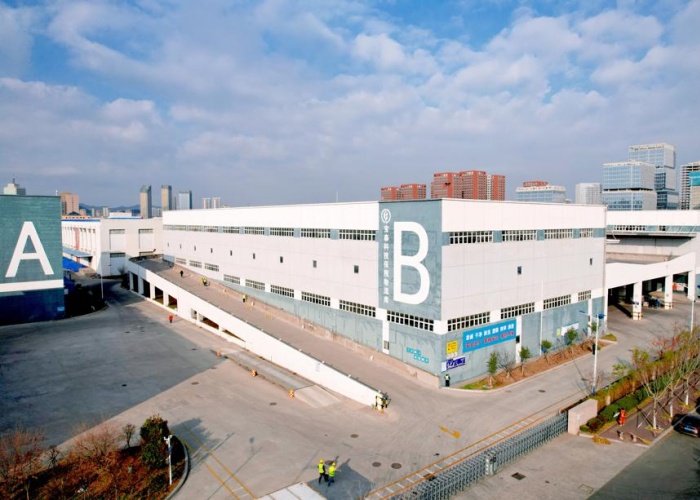
With favorable policies, imported coffee beans can be stored first and taxed only after sale in the Qingdao Area of the China (Shandong) Pilot Free Trade Zone. [Photo provided to chinadaily.com.cn]
From boutique cafés tucked along old streets to giant roasting facilities handling beans from across the globe, coffee is becoming deeply woven into the urban fabric of Qingdao, Shandong province. Once better known for its beer and coastal tourism, the city is rapidly emerging as a rising force in China's coffee economy — spanning consumption, production and international trade.
According to the Qingdao Coffee Culture Association, the city is now home to more than 3,000 cafés, roasting workshops and coffee-related stores, including over 1,000 specialty coffee shops, reflecting a booming coffee culture driven by younger consumers and lifestyle-oriented spending.
Located in the Qingdao Area of the China (Shandong) Pilot Free Trade Zone (Qingdao FTZ), a retro automobile-themed coffee outlet combines classic car displays with coffee culture, attracting visitors seeking both leisure and social experiences.
Highly adaptable and increasingly integrated into diverse settings ranging from desserts and Western cuisine to floral aesthetics, surfing and retro industrial spaces, coffee is evolving beyond a simple beverage into a cultural symbol and a new form of social connection, said Song Mingzi, a nationally certified senior barista.
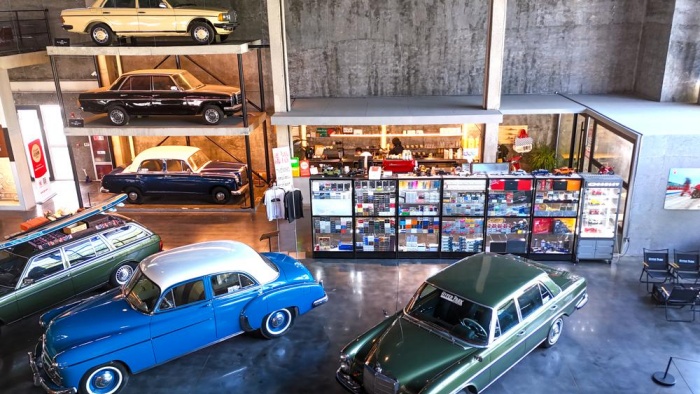
A retro automobile-themed coffee outlet combining classic car displays with coffee culture operates within the Qingdao Area of the China (Shandong) Pilot Free Trade Zone. [Photo by Zhang Jingang/chinadaily.com.cn]
Meanwhile, benefiting from Qingdao's advantages in direct port access, bonded processing and multimodal logistics, coffee beans imported from overseas are shipped into the city, processed locally and then distributed to both domestic and international markets.
The Qingdao FTZ has already attracted more than 80 warehousing service companies and developed over 1.2 million square meters of bonded warehouses. With favorable policies, imported coffee beans can be stored first and taxed only after sale, significantly easing cash-flow pressure for businesses.
Qingdao Port of Shandong Port Group now handles about 13 percent of China's imported coffee volume. Latest customs data showed that ports in Qingdao imported coffee beans worth 860 million yuan ($126 million) in 2025, up 14.7 percent year-on-year, according to local newspaper Qingdao Daily.
Global coffee giants are also accelerating their investment in the city. Two new production lines at Nestlé's factory in Laixi, a county-level city administered by Qingdao, were put into operation in October 2025. Luckin Coffee opened its smart roasting facility in the city's Chengyang district in April. The new facility, backed by a total investment of three billion yuan and equipped with the world's largest single coffee roaster, has an annual roasting capacity of more than 55,000 metric tons.
Photos
