



Qingdao Today
 2026/3/17
 source:
 Print
Print
As spring arrives in the city, residents all across Qingdao are carrying with shovels and watering cans. On March 12, marking the 48th National Tree Planting Day, citizens are turning open spaces into thriving green areas through collective efforts.
During the 14th Five-Year Plan period (2021-25), Qingdao made significant progress in afforestation: establishing 312,000 mu (20,800 hectares) of new forest, adding 719 kilometers of urban greenways, creating 393 pocket parks, and renovating 71 hill parks. The city now has over 40 percent green space coverage in built-up areas, with more than 16 square meters of park space per person.
Since 2019, Qingdao has led the "internet + voluntary tree planting" initiative in Shandong province. By using WeChat platforms and a mobile app, citizens can donate online, exchange steps for saplings, or adopt trees digitally. Twenty municipal bases and 13 green stations enable year-round participation.
Different from traditional parks, Qingdao's "micro-gardens" involve residents in every step — from site selection and design to construction and maintenance. Following the principle of "small investment, micro-landscape", neglected urban spaces are becoming vibrant community assets.
In Shibei district, a once-abandoned plot in an old residential area is now a colorful garden. In Xuejia village, Pingdu, thousands of roses flourish on previously unused land, adding charm to rural vitalization. These "green pockets" are more like "green living rooms" for neighborly interaction and nature classrooms for children.
This year, Qingdao plans to add 50 neighborhood micro-gardens based on community input, encouraging resident participation in management.
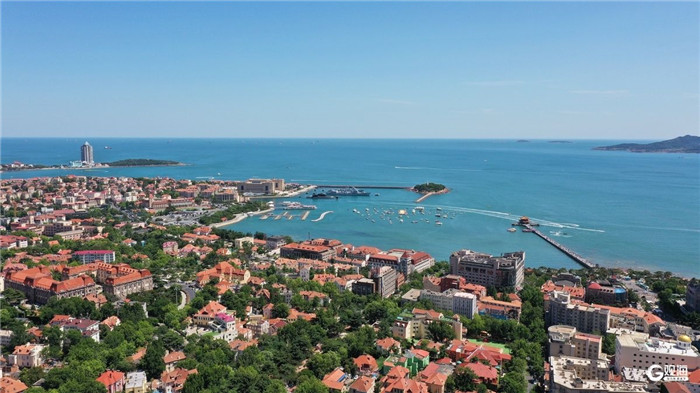
Pocket parks in Qingdao transform forgotten urban corners into vibrant green havens, where neighbors gather and children play amid the gentle rhythm of city life. [Photo/Guanhai News]
Photos
