



Qingdao Today
 2025/12/3
 source:
 Print
Print
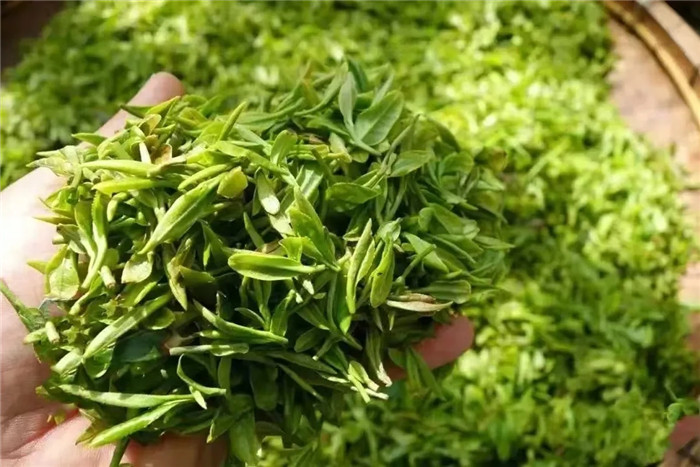
The century-old tea plants in Qingdao bring prosperity to local farmers. [Photo/WeChat account: yuexinglaoshan]
At a tea garden in Laoshan district, Qingdao, visitors can see tea plants blooming with yellow-white flowers. These are among the first tea plants from the historic "tea moving to north" initiative project in the 1950s, which challenged the idea that tea could not grow north of latitude 30°N. With its coastal climate and granite soil, Laoshan became one of Shandong's first tea-producing areas.
Today, Laoshan tea is a nationally protected geographical product, known for its smooth, rich flavor and sweet aftertaste. With over 20,000 workers, 20,000 mu (1,333 hectares) of land, and an annual output worth 600 million yuan ($84.84 million), it is one of Qingdao’s key agricultural products.
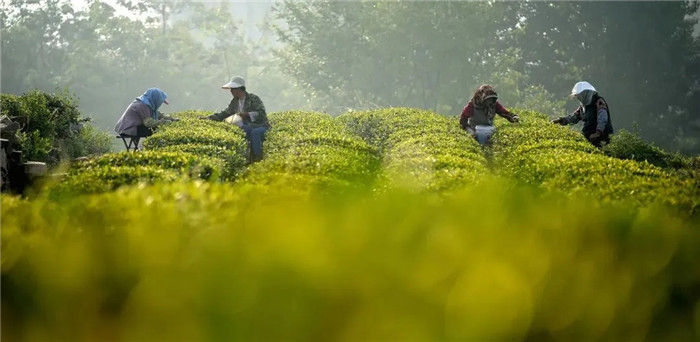
Laoshan tea is a nationally protected geographical indication product, known for its refreshing taste and rich aroma. [Photo/WeChat account: yuexinglaoshan]
New ideas push its growth. Since 2022, the Laoshan tea team has developed 13 national tea varieties, like the "Laocha No 1". High-end series are on the national list of famous, special, and quality agricultural products. In 2024, a digital traceability system was launched to ensure authenticity from garden to cup.
Beyond growing tea, Laoshan blends culture and tourism with tea-picking festivals, workshops, and tea-themed homestays, creating a "mountain-sea-tea" tourism model. This has boosted income for tea growers, driven cross-sector growth, and turned agricultural festivals into cultural-tourism events beyond just product sales.
From a bold idea to a thriving business, Laoshan tea is creating a sustainable future.
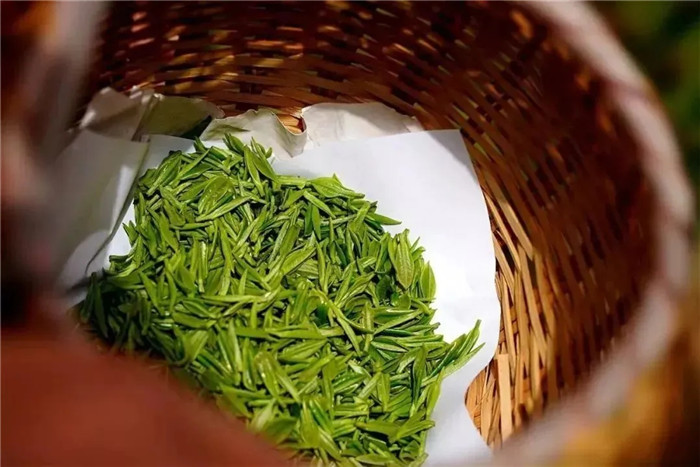
From digital traceability to tea-themed tourism, Laoshan in Qingdao is creating a sustainable future through new ideas and cultural integration. [Photo/WeChat account: yuexinglaoshan]
Photos
