





当前位置 : 洛杉矶时报增刊
 发布日期:2026/6/24
 来源:International daily
 打印
打印
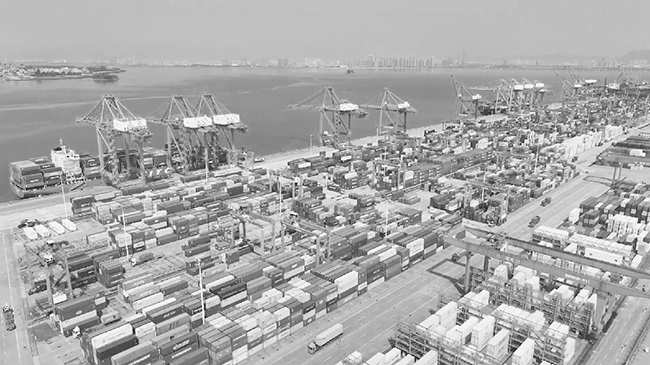
The Regional Comprehensive Economic Partnership (RCEP), the world's largest free trade deal, has driven deeper trade integration among its member countries over the past three years, delivering tangible benefits to their peoples.
Entering into force on Jan. 1, 2022, the RCEP comprises 15 Asia-Pacific countries including 10 ASEAN member states -- Brunei, Cambodia, Indonesia, Laos, Malaysia, Myanmar, the Philippines, Singapore, Thailand and Vietnam -- and their five trading partners, namely China, Japan, South Korea, Australia and New Zealand.
Under the deal, "rules of origin" eliminate tariffs on goods traded between the signatory states, allowing foreign trade enterprises to pay less on exports to RCEP markets.
RCEP also speeds up customs clearance, cutting time costs and making it easier for businesses to trade internationally.
According to the Asian Development Bank, RCEP will generate 245 billion U.S. dollars in revenue and add 2.8 million jobs to the regional economy by 2030 if fully implemented.
In April alone, Chinese authorities issued 34,840 certificates of origin under RCEP, up 13.77 percent year on year. The value of the certificates stood at 987 million U.S. dollars, an increase of 16.4 percent.

24小时最新动态

热点排行
图片新闻