





当前位置 : 洛杉矶时报增刊
 发布日期:2025/10/30
 来源:International daily
 打印
打印
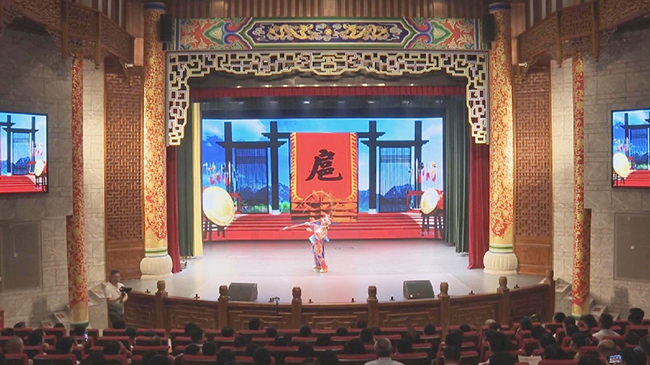
Various activities have been organized across southern China, including Sichuan, Chongqing and Jiangxi, to celebrate the eight-day National Day and Mid-Autumn Festival holiday, which starts on Wednesday.
Renowned as the "Home of Sichuan Opera," Baishiyi Town in southwest China's Chongqing Municipality has planned numerous cultural and tourism events centered around the intangible cultural heritage of the Sichuan Opera.
At the Sichuan Opera Art Center in the Chongqing High-tech Industrial Development Zone, two folk performances are being staged each day during the holiday, featuring captivating displays of face-changing, water sleeve dances, and excerpts from traditional operas.
In the interactive experience area, tourists and locals can craft traditional fans, lanterns, mooncakes, and opera masks under the guidance of Sichuan Opera inheritors.
"It is the first time I've learned to put an opera mask on a mooncake. I can learn about the traditional culture and bring back home a special souvenir. I think it's quite meaningful," said Zhao Feng, a local resident.
In Deyang County, neighboring Sichuan Province, performers from 11 districts or counties in eastern Sichuan on Sunday staged a delightful performance that incorporated scenes of villagers' daily life and work through dances, songs, and operas, showcasing their rural culture.
In east China's Jiangxi Province, the Tengwang Pavilion in the provincial capital of Nanchang is putting on a series of interactive activities for the holiday, including a collective writing event and a poem-reciting competition. An immersive traditional market has been organized, blending shopping, dining, and entertainment, allowing visitors to fully experience the elegance of ancient culture.
During the holiday, the scenic area of Tengwang Pavilion is expected to attract over 150,000 visitor trips.
Originally built in 653 A.D. by Prince Teng, the brother of a Tang Dynasty (618-907) emperor, the pavilion has undergone 29 reconstructions. It gained national fame due to the ornate poem "Preface to Tengwang Pavilion" by Tang Dynasty poet Wang Bo.

24小时最新动态

热点排行
图片新闻